The NITECORE BlowerBaby™ and Sensor Cleaning Kit have been recognized as winners of the 2022 Red Dot Award. To celebrate, Nitecore decide to offer 100 winner products for free to review. You can read all the terms and conditions at the Nitecore page here.
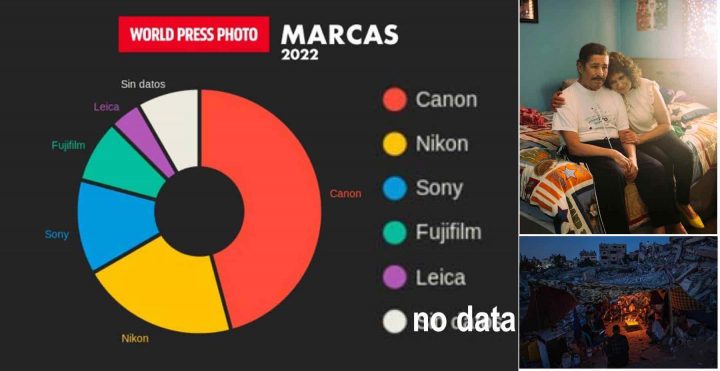
Our Spanish friends at Fujistas summed it up nicely:
24 winners were selected
only 8 of the 24 images were taken with mirrorless cameras
13 images were taken with DSLRs
Fujifilm takes represents 10% of the winning images share
it was not possible to look into the EXIF of all images
The gap between mirrorless and DSLR is getting smaller and smaller. Here is the comparison to the previous years:
2022: 54,1% DSLR – 33,3% MILC
2021: no data
2020: 64.3% DSLR – 23.7% MILC
2019: 71.1% DSLR – 4.4% MILC
2018: 83.5% DSLR – 11.3% Mirrorless
2017: 88.8% DSLR – 5.55% Mirrorles
And yet, there are still plenty of DSLR users out there. At some point they might switch to mirrorless, too. And hopefully the Fujifilm X and GFX systems will be able to attract many of them.
With that out of the way, let me say the most important thing: congratz to ALL the winners. I will share the awarded images taken with Fujifilm gear down below. But make sure to check them out all at the dedicated World Press Photo 2022 page.
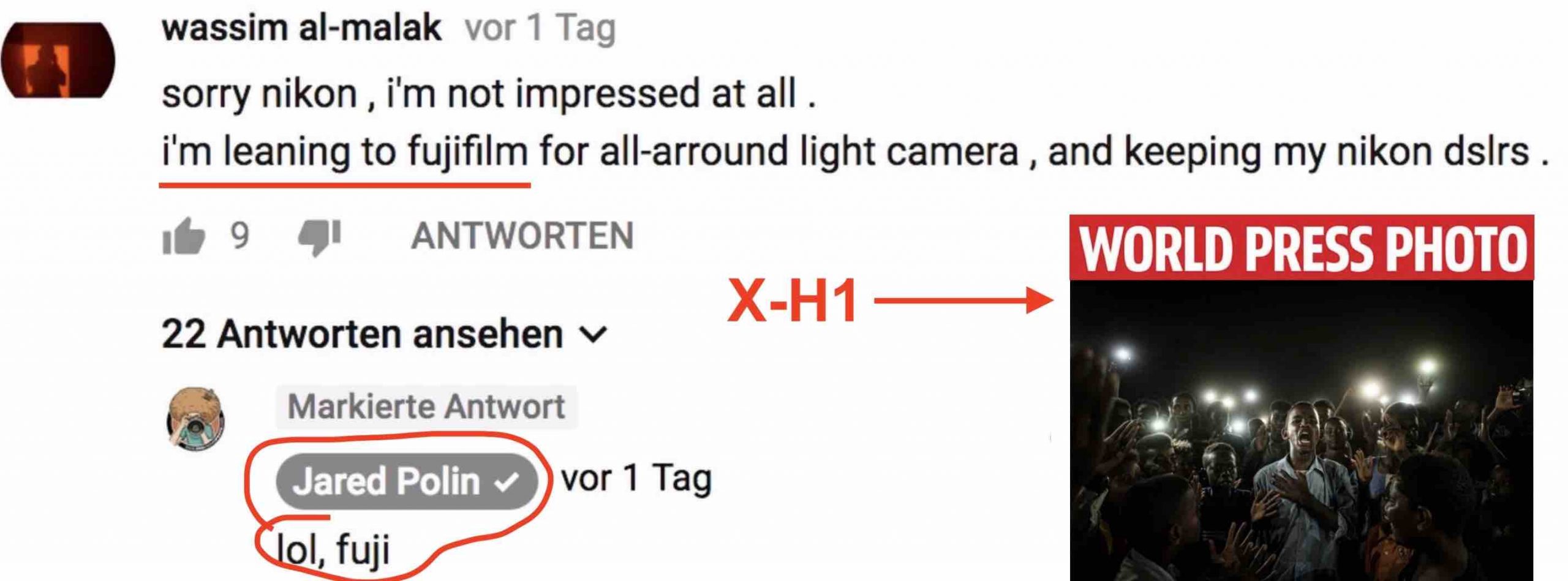
“Palestinian Children in Gaza”. Photograph by Fatima Shbair winner of World Press Photo in the unique image category and Asian region. Fujifilm X-T2.“The People Who Feed the United States”. Photograph by Ismail Ferdous winner of World Press Photo in the photo series category and North/Central American region. Fujifilm GFX 50S.
distracted a French presidential candidate during his interview (story here)
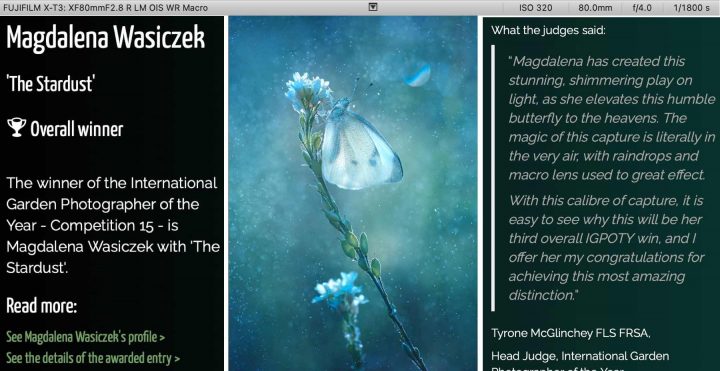
One of the most recent entires in the awards list is the one of Fujifilm X shooter Magdalena Wasiczek, who won the International Garden Photographer of the Year Award (IGPOTY).
Magdalena has created this stunning, shimmering play on light, as she elevates this humble butterfly to the heavens. The magic of this capture is literally in the very air, with raindrops and macro lens used to great effect.
With this calibre of capture, it is easy to see why this will be her third overall IGPOTY win, and I offer her my congratulations for achieving this most amazing distinction.”
Congratz to Magdalena! You can check out all the details and see the image in full size at igpoty here.
But wait, there is more!
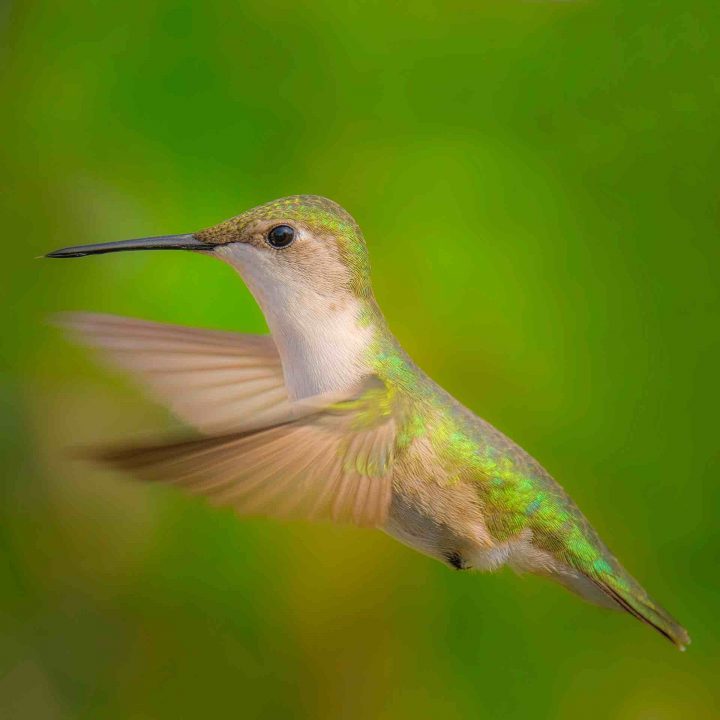
Also John Pettigrew made it among the finalists in the wildlife in the garden category with an image taken with X-T30 and XF55-200 (image below).
A couple of days ago, Fujifilm managers and engineers have published an almost 20 minutes interview in Japanese.
The whole talk is in Japanese and a real pain to watch using the automatic youtube translator tool.
A pain FujiRumors readers should not go through, so I did what nobody else did: I rolled up my sleeves and put 1.5 hours of my time into making sense of the talk and summing it up for you guys with the greatest care and highest accuracy.
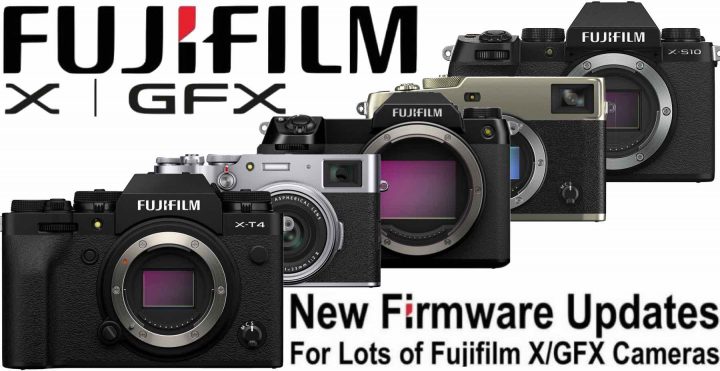
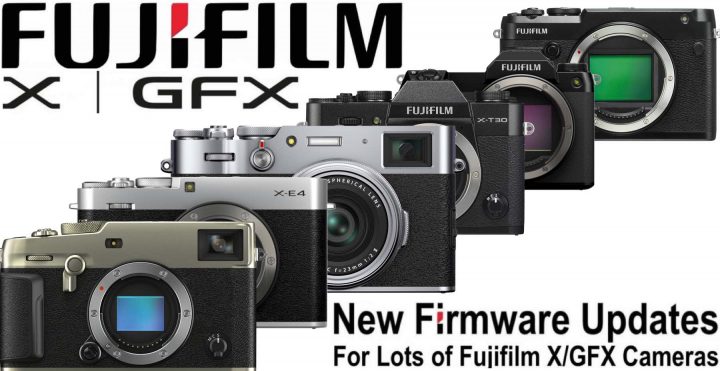
Earlier today Fujifilm has released these firmware updates for the following cameras: X-T4, X-S10, X-Pro3, X100V, GFX100S and GFX100.
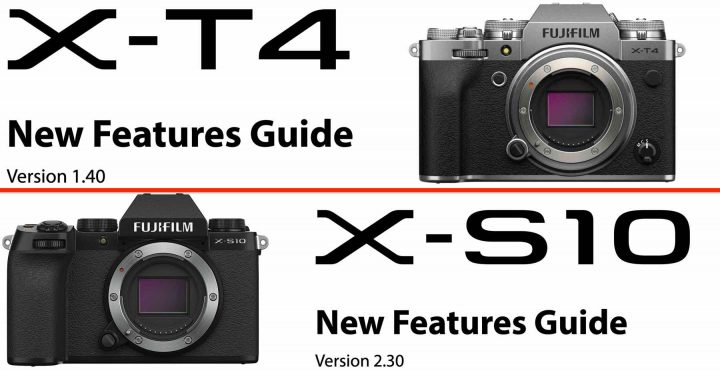
And since the firmware for the Fujifilm X-T4 and Fujifilm X-S10 add support for the Tascam CA-XLR2d-F XLR, Fujifilm did release also a New Features Guide for these two cameras.
A future update should bring support for Tascam CA-XLR2d-F XLR also to the Fujifilm GFX100S.
Fujifilm has released firmware updates for the Fujifilm X-T4 and Fujifilm X-S10 to add support for the Tascam CA-XLR2d-F XLR as well as new firmware for the X-Pro3, X100V, GFX100S and GFX100.
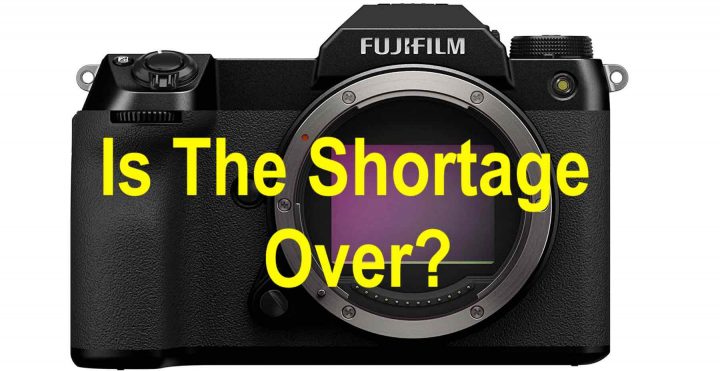
Maybe, just maybe, all this shortage of Fujifilm GFX100S is coming to and end.
In fact, at the time of this article, a very limited number of Fujifilm GFX100S cameras is available at AmazonUS (via official Fujifilm retailer UniquePhoto), Adorama, Focuscamera and Moment. Sadly it’s not available at BHphoto, which had a few samples available a few weeks ago, but as to expect they sold out like hot cakes.
I do hope that this is the end of a shipping disaster caused by two factors: Fujifilm massively underestimating how many GFX100S they’d sell and the parts shortage caused by the Covid pandemic.
At least on the GFX front, the shortage seems to be over, with all their latest GFX gear in stock (although in limited number).
You can read all the details and get the download links in this article.
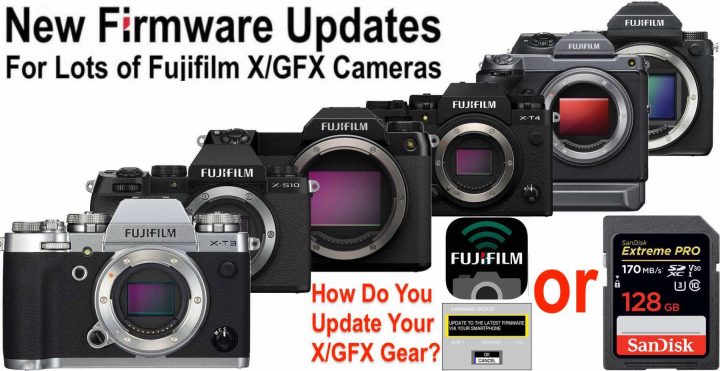
And here comes my curiosity: I recently started using the Camera Remote App to update my cameras, and I find it so comfortable, that I was wondering if anyone else is using it. Hence, down below is a little survey where you can tell us if you use the App or go old-style via SD-card.




 Loading ...